Bespoke web applications
Browser-based systems your team or your clients log into daily, built for the work rather than for a demo.
A web application is software people open in a browser to do their job. Client portals, operations dashboards, booking systems, approval workflows, anything with a login and stored data behind it.
The ones that last are unglamorous in the right ways. They load on a laptop with forty tabs open, they work on a phone in a warehouse with one bar of signal, and they never make anyone stop and think. The ones that get abandoned are usually the ones that demoed well.
This is also where internal tools and the spreadsheet nobody dares edit end up. A file that holds something important, built by someone clever who has since left, is a web application waiting to be written.
What the work involves
Built for the device it is used on
Designed for phones first and tested on real hardware rather than a resized browser window, because that is where the work happens.
Roles and permissions from the start
Who can see and change what is a design decision, not something bolted on after the first uncomfortable incident.
Speed treated as a requirement
How fast each screen loads is checked throughout the build. Software people use all day has to be fast or they quietly route around it.
A history of what happened
Who changed what and when. It matters more than anyone expects, the first time something goes wrong.
Where we have done this
Retail
Making margin visible in a four-store grocery chain
- Annual stock loss
- Before
£13,400NowNear zero

Wholesale and distribution
Eleven WhatsApp groups, one platform
- Monthly reconciliation
- Before
~2 daysNowContinuous
Construction
Procurement off paper, policy intact
- Procurement workflow
- Before
100% paperNow100% digital
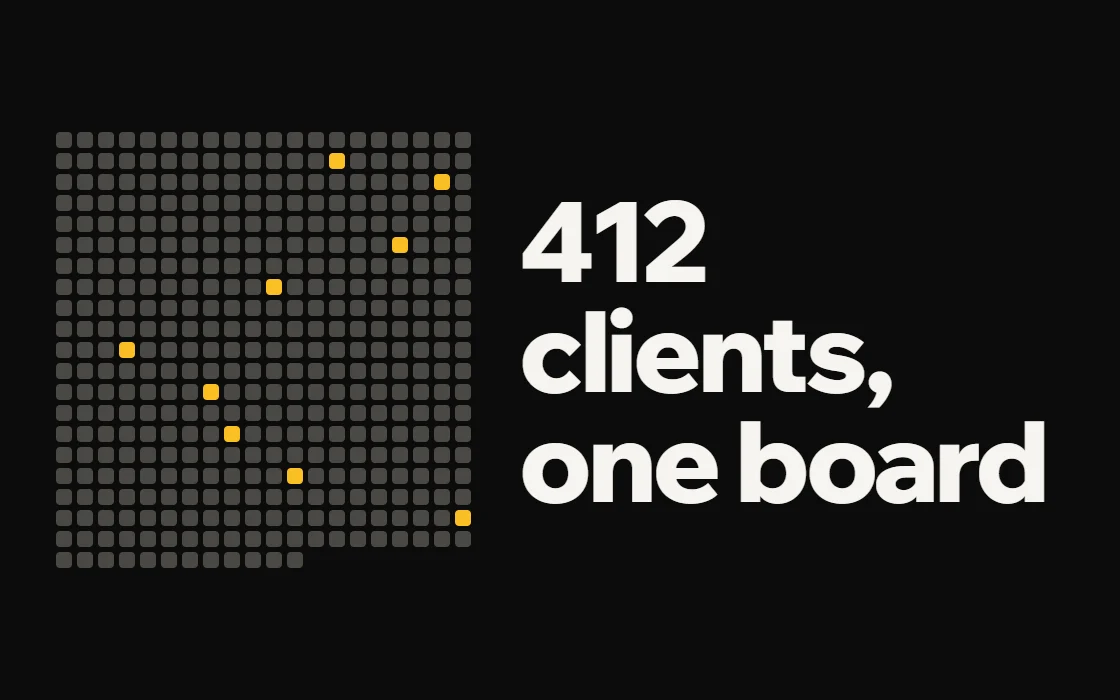
Professional services
Chasing 412 clients by email, from three offices
- Time spent chasing
- Before
~11 hrs / weekNow~2 hrs / week
Facilities management
Forty engineers, and a filing cabinet of certificates
- Paperwork returned
- Before
2 to 9 daysNowSame visit
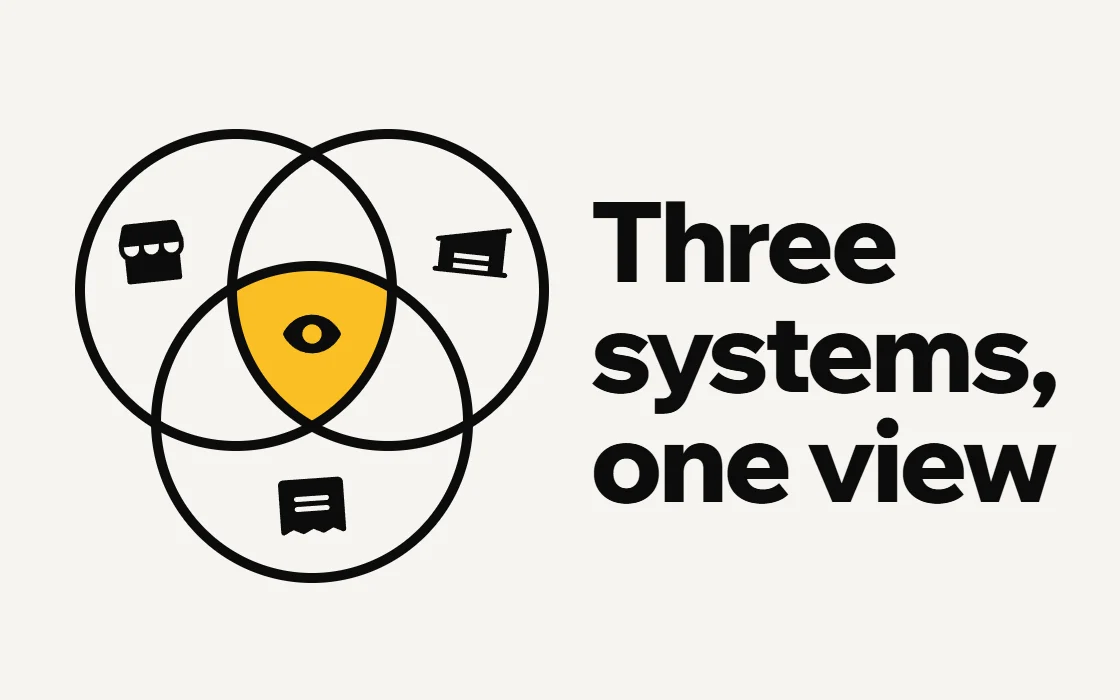
Retail and e-commerce
Three systems that never agreed on a Monday
- Monday reconciliation
- Before
~7 hrsNow~20 min
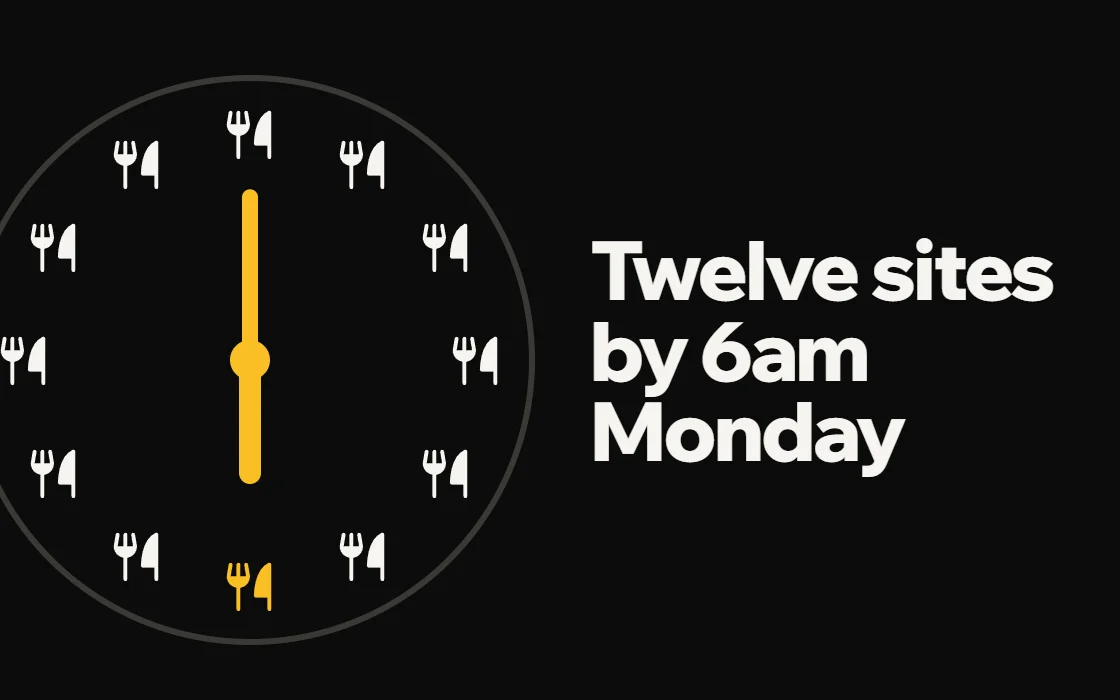
Hospitality
Twelve weekly spreadsheets, three weeks late
- Weekly numbers ready
- Before
~3 weeks laterNow06:00 Monday
Common questions
What is the difference between a web application and a website?
A website presents information. A web application does work: it has accounts, stores data, and changes as people use it. A brochure site tells people what you do. A web application is the thing your team logs into on Monday morning.
Our spreadsheet works. Why replace it?
Three reasons, usually. Only one person can safely change it, only one person can use it at a time, and there is no record of what happened. If none of those worry you, keep the spreadsheet. We mean that.
Does it work on a phone, or offline?
On a phone yes, and we build for that first. Offline is possible and adds cost, so it is worth doing only when people genuinely work without signal.
How is security handled on something people log into?
Roles and permissions are designed before anything is built, every action is recorded against a user, and the application is reviewed before it goes live. Anything your clients log into gets the tighter treatment, because the people signing in are not your staff and cannot be trained.
Can people still export to Excel?
Yes. People need data out for reasons you will never anticipate, and fighting that is how shadow spreadsheets reappear within a month.
Related services
Bespoke software development
Custom systems for the work no off-the-shelf product does properly, built around your process rather than around a template.
Read moreBespoke CRM
A CRM shaped around your pipeline, for companies whose process the mainstream products cannot represent.
Read moreLegacy software modernisation
Replacing software that still works but is holding the business back, in stages, without a shutdown.
Read moreTell us what is not working
Describe the process that is costing you time. If software is the wrong answer we will say so, and if a product already covers it we will name the product.
From £10,000Most projects land between £15,000 and £55,000.